WE FOLLOW 29 CLEARLY DEFINED RULES ON ETHICAL AND ENVIRONMENTALLY FRIENDLY WINEMAKING AND ARE AN INDEPENDENTLY CERTIFIED MEMBER OF FAIR’N GREEN*.


SCROLL DOWN TO READ EACH OF THE 29 RULES.

*Fair’n Green is an independent certification standard for wineries, assessing environmental, social and economic sustainability. Its external monitoring mechanism complements our HORIZN29 criteria.

The 29 rules governing our range of HORIZN29 wines cover all stages of the winemaking process, from grape to glass.

Environmental protection is currently top of the public agenda but is not the only aspect that concerns us.

A safe, respectful working environment and fair pay for all employees are just as important, as are the high quality of our wines and the passion that everyone involved puts into their work.

Vineyard ecosystem
1

We view our vineyards as ecosystems and have taken 11 tangible steps to promote vineyard biodiversity. These include species-rich cover cropping, sowing native plants, and creating habitats for insects. We eschew the use of genetically modified organisms.

2

Avoiding excessive fertiliser use is part of our tailored strategy to improve the health of our vineyard soils.

3

We take preventive measures to protect our vines, minimising the use of plant protection products and forgoing herbicides and synthetic insecticides. We resort to strong fungicides only sparingly and in a highly targeted manner.

4

We are adapting our businesses and vineyards to climate change. When planting new vines, for example, we try to use rootstocks and clones with better drought tolerance.

To make our vineyards more resilient, we are using a new cover crop mixture that remains in bloom for long periods and consists of a diverse blend of plant species. We developed this ground cover specifically for HORIZN29 in collaboration with German seed specialist Feldsaaten Freudenberger – to help our vines cope in extremely hot, dry summers.

Using resources responsibly
5

We manage natural resources responsibly – by monitoring annual energy consumption, working continually to improve energy efficiency, using green electricity and generating renewable energy that we mostly use ourselves.

6

We measure our greenhouse gas emissions each year and constantly strive to reduce our carbon footprint.

7

We use lightweight bottles made from a high proportion of recycled glass. This helps to conserve resources and reduce shipping weights.

8

We want to innovate on packaging, hence we are continually looking at alternatives to the conventional wine bottle – such as bag-in-box or kegs for restaurants. We would like to use these substitutes in future, wherever they fit their intended purpose and meet our quality standards.

9

We are also committed to keeping materials to a minimum and supporting lower-carbon manufacturing practices in relation to cardboard and other packaging.


10

We keep track of our water consumption, reducing it where possible. We use rain water and greywater, and only irrigate young vines.

11

We strive to use cleaning products with the lowest environmental impact, making sure they are biodegradable if possible.

12

All our waste is carefully sorted so that it can be recycled or disposed of responsibly.

We use lightweight bottles, because we know that packaging has a major bearing on the carbon footprint of our wines.
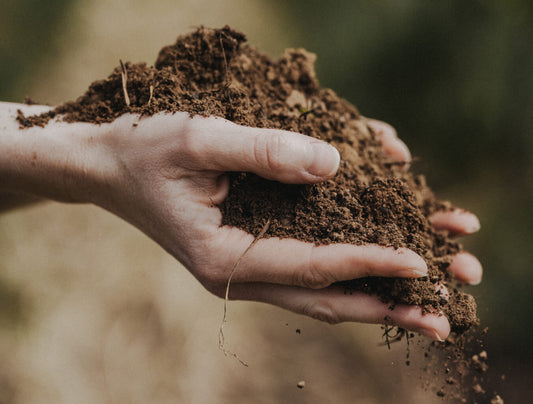


We must adapt to climate change, which is why we aim to maintain and improve vineyard soil health by increasing biomass and using organic fertiliser.

Wine as cultural heritage
13

Through our work, we play a part in perpetuating the winegrowing tradition and preserving the beauty and integrity of our vineyards.

14

In crafting our wines, we complement traditional methods with modern expertise. We eschew the use of genetically
modified organisms.

15

We believe that quality is at the heart of responsible winemaking. That is why we carry out sensory evaluations, monitoring our wines against defined quality standards.

Responsible stewardship
16

A sound, responsible approach defines our project and businesses, informing both our long-term and day-to-day decisions.

17

Our wines meet specific statutory and customer requirements with regard to quality and safety.

18

We continually develop our digital systems and processes, taking data privacy, data security and the needs of our businesses into account.

19

We embrace automation if it makes our work easier and contributes to the quality of our wines. But not everything that is technically possible is worth pursuing.

20

There is complete transparency and clarity at all times in what our businesses do.

21

We give back to our community – for example, through voluntary work, donations to local youth organisations, and measures to preserve and enhance the land we farm.

Good employers
22

As good employers, we value the health and safety of our employees.

23

All our people – including seasonal and temporary workers – have employment contracts. Retired family members helping out on a voluntary basis are the only exception to this rule.

24

We favour permanent employment and avoid agency work.

25

We offer fair pay and nothing less than the minimum wage. Overtime is always paid.

26

As employers, we pay the full range of social security contributions. In addition to statutory insurance coverage, we also provide a company pension.

27

Everyone is treated the same. We do not discriminate on the basis of gender, age, race, ethnicity, national origin, sexual orientation, religion or any other characteristic. This applies to all areas of work.

28

All employees are qualified for their positions and receive continual training. We offer apprenticeships.

29

Employees can also live with us, in free accommodation.

Our wines come from a team of Rheinhessen winemakers with character.

More

Origin
Community